

Hey there! As a pressure limiting valve supplier, I often get asked about how piston-type pressure limiting valves work. So, I thought I'd break it down in a simple and easy-to-understand way.
First off, let's talk about what a pressure limiting valve is for. In a nutshell, its main job is to keep the pressure in a system from getting too high. This is super important because if the pressure goes beyond the safe level, it can damage equipment, cause leaks, or even lead to dangerous situations.
Now, let's dig into the piston-type pressure limiting valve. The basic idea behind it is pretty straightforward. It uses a piston to control the flow of fluid and regulate the pressure.
The piston is the heart of this valve. It's usually a cylindrical piece that can move back and forth inside a chamber. There are two main forces acting on the piston: the fluid pressure and a spring force.
Let's start with the normal operating condition. When the pressure in the system is below the set limit, the spring force is stronger than the fluid pressure. The spring keeps the piston in a closed position, blocking the flow path. So, the fluid can't pass through the valve in this state.
For example, think of a water supply system. If the water pressure is within the normal range, the piston in the pressure limiting valve stays put, and the water flows through the regular pipes as usual.
But when the pressure in the system starts to rise and reaches the set limit, things change. The fluid pressure becomes strong enough to overcome the spring force. This causes the piston to move. As the piston moves, it opens up a flow path for the fluid.
The fluid then starts to flow through this newly opened path. This reduces the pressure in the main system because some of the fluid is diverted. It's like when you open a relief valve on a pressure cooker. The steam escapes, and the pressure inside the cooker drops.
Once the pressure in the system drops back below the set limit, the spring force takes over again. The spring pushes the piston back to its closed position, and the normal flow is restored.
Now, let's talk about some of the key components that make this whole process work smoothly.
The spring is a crucial part. It's carefully calibrated to provide the right amount of force. The stiffness of the spring determines the set pressure limit of the valve. If you want to change the pressure limit, you can adjust the spring pre - load. This can be done by turning an adjustment screw on the valve.

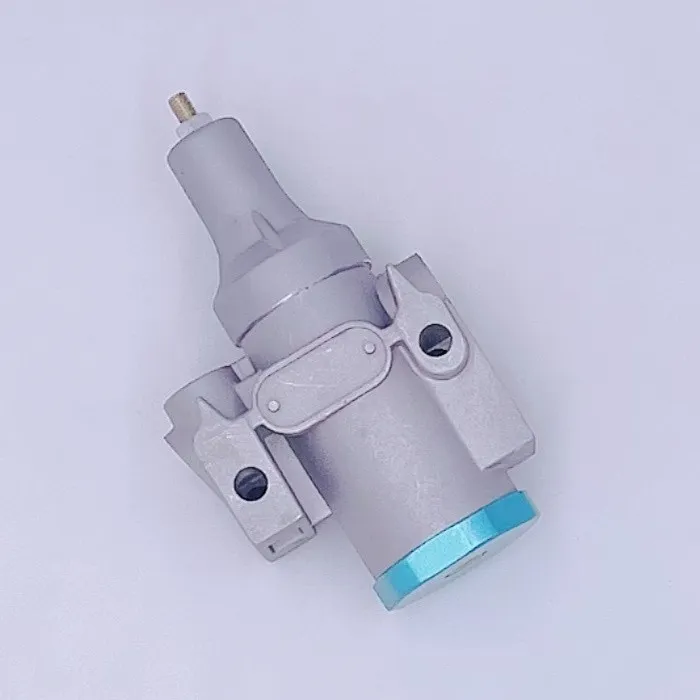
The piston also needs to be well - designed. It should have a good seal with the valve body to prevent any leakage when it's in the closed position. And it should move freely inside the chamber to respond quickly to changes in pressure.
Another important aspect is the valve seat. The valve seat is where the piston makes contact when it's in the closed position. A good valve seat ensures a tight seal, so there's no unwanted flow when the valve is supposed to be closed.
Now, I want to introduce some of the pressure limiting valves we offer. We have the 4750103000 Pressure Limiting Valve. This valve is known for its high precision and reliability. It's suitable for a wide range of applications, from small - scale industrial systems to residential water supplies.
Our A4740 Pressure Limiting Valve is another great option. It has a compact design, which makes it easy to install in tight spaces. It also has a long service life, so you don't have to worry about frequent replacements.
And then there's the 4341001240 Pressure Limiting Valve. This valve is designed for high - pressure applications. It can handle extreme pressure conditions and still maintain its performance.
These valves are all made with high - quality materials. We use advanced manufacturing techniques to ensure that each valve meets the highest standards of quality and performance.
When you're choosing a pressure limiting valve, there are a few things to consider. First, you need to know the maximum pressure that your system can handle. This will help you determine the set pressure limit for the valve.
You also need to consider the flow rate. Different valves have different flow capacities. Make sure to choose a valve that can handle the expected flow rate in your system.
In addition, think about the type of fluid. Some fluids may be corrosive or have special properties. You need to choose a valve made of materials that can withstand the fluid.
If you're in the market for a pressure limiting valve, we're here to help. We have a wide range of products to meet your specific needs. Whether you're a small business or a large industrial company, we can provide the right solution for you.
Don't hesitate to contact us for more information or to discuss your requirements. We can offer expert advice on valve selection and installation. Let's work together to ensure the safety and efficiency of your pressure systems.
References
- "Fluid Power Engineering Handbook"
- "Valve Handbook"


