When it comes to high - temperature applications in industrial settings, choosing the right equipment is crucial. One such piece of equipment that often comes into question is the pressure limiting valve. As a pressure limiting valve supplier, I've been involved in numerous discussions with clients about the suitability of these valves for high - temperature environments. In this blog, I'll delve into the factors that determine whether pressure limiting valves are a good fit for high - temperature applications.
Understanding Pressure Limiting Valves
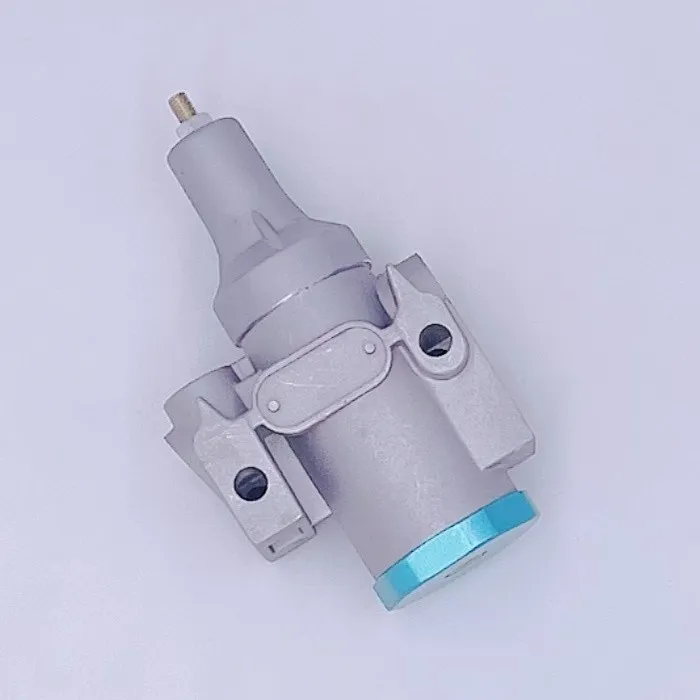
Before we can assess their suitability for high - temperature applications, let's first understand what pressure limiting valves are. Pressure limiting valves are devices designed to control and maintain a specific pressure within a system. They work by opening or closing in response to changes in pressure, ensuring that the pressure does not exceed a pre - set limit. This is essential for protecting equipment from damage due to over - pressure and for maintaining the safety and efficiency of the entire system.
Our company offers a range of pressure limiting valves, such as the 4750103000 Pressure Limiting Valve, A4740 Pressure Limiting Valve, and 4341001240 Pressure Limiting Valve. Each of these valves is engineered to meet different pressure and application requirements.
Factors Affecting the Suitability of Pressure Limiting Valves in High - Temperature Applications
Material Compatibility
One of the most critical factors is the material of the pressure limiting valve. High temperatures can cause materials to expand, deform, or lose their strength. For example, if a valve is made of a material that has a low melting point or poor thermal stability, it may fail under high - temperature conditions.
Stainless steel is a popular choice for high - temperature applications because it has good corrosion resistance and can withstand relatively high temperatures. Some of our valves are made of high - grade stainless steel, which ensures their durability and performance in high - temperature environments. Additionally, certain polymers and elastomers used in valve seals and gaskets need to be carefully selected. Some elastomers may harden or become brittle at high temperatures, leading to leaks or valve malfunction.

Thermal Expansion
Thermal expansion is another significant concern. As the temperature rises, the components of the pressure limiting valve will expand. If the valve is not designed to accommodate this expansion properly, it can lead to binding, misalignment, or even jamming of the valve mechanism.
Engineers need to calculate the expected thermal expansion of different parts of the valve and design clearances and tolerances accordingly. For example, the valve stem and seat need to have enough clearance to allow for expansion without affecting the valve's operation. Our valves are designed with precise engineering to account for thermal expansion, ensuring reliable performance in high - temperature applications.
Performance and Accuracy
High temperatures can also affect the performance and accuracy of pressure limiting valves. The calibration of the valve may change due to thermal effects on the internal components. For instance, the spring that controls the valve opening pressure may lose its elasticity at high temperatures, resulting in inaccurate pressure control.
To ensure the accuracy of our valves in high - temperature applications, we conduct extensive testing under simulated high - temperature conditions. Our quality control processes include calibration checks at different temperatures to guarantee that the valves maintain their specified performance even in extreme heat.
Applications Where Pressure Limiting Valves Are Suitable for High - Temperature Environments
Power Generation
In power generation plants, such as steam power plants, high - temperature steam is used to drive turbines. Pressure limiting valves are essential in these systems to control the pressure of the steam. The steam can reach very high temperatures, often above 500°C. Our pressure limiting valves, with their high - temperature - resistant materials and robust design, are well - suited for these applications. They help to maintain the safe and efficient operation of the power generation equipment by preventing over - pressure situations.
Chemical Processing
Chemical processing industries often involve high - temperature reactions and processes. For example, in the production of certain plastics or chemicals, reactors may operate at high temperatures and pressures. Pressure limiting valves are used to protect the reactors and other equipment from over - pressure. Our valves can handle the corrosive chemicals and high temperatures commonly found in chemical processing plants, ensuring the safety and reliability of the entire production process.
Oil and Gas Refining
In oil and gas refining, high - temperature processes are used to separate and refine crude oil into various products. Pressure limiting valves play a crucial role in controlling the pressure in pipelines, distillation columns, and other equipment. The high - temperature and high - pressure conditions in refineries require valves that can withstand extreme environments. Our valves are designed to meet these demanding requirements, providing reliable pressure control in oil and gas refining operations.
Applications Where Caution Is Needed
Very High - Temperature Furnaces
In some very high - temperature furnaces, such as those used in metal smelting or glass manufacturing, where temperatures can exceed 1000°C, standard pressure limiting valves may not be suitable. The extreme heat can cause rapid degradation of valve materials and components. However, in some cases, with proper insulation and additional cooling mechanisms, our valves can be adapted to operate in these environments. But it is essential to have a detailed consultation with our engineering team to ensure the valve's proper selection and installation.
High - Temperature, High - Velocity Flows
In applications where there are high - temperature, high - velocity flows, such as in some rocket engine test facilities or high - speed combustion systems, the pressure limiting valves need to be carefully evaluated. The high - velocity flow can cause additional forces on the valve, and the high temperature can exacerbate these effects. Our engineering experts can analyze the specific conditions of such applications and recommend the most appropriate valve solutions.
Conclusion
In conclusion, pressure limiting valves can be suitable for high - temperature applications, but it depends on several factors such as material compatibility, thermal expansion, and performance accuracy. As a pressure limiting valve supplier, we have the expertise and products to meet the needs of various high - temperature applications. Our range of valves, including the 4750103000 Pressure Limiting Valve, A4740 Pressure Limiting Valve, and 4341001240 Pressure Limiting Valve, are designed and tested to ensure their performance in high - temperature environments.
If you are looking for a reliable pressure limiting valve for your high - temperature application, we invite you to contact us for a detailed discussion. Our team of experts can help you select the most suitable valve based on your specific requirements and provide technical support throughout the installation and operation process.
References
- ASME Boiler and Pressure Vessel Code.
- API Standards for Pressure - Relief Devices in the Oil and Gas Industry.
- Engineering textbooks on fluid mechanics and thermodynamics for valve design and analysis.