

Hey there! As a supplier of the A4740 Pressure Limiting Valve, I often get asked about the pressure - temperature - flow relationship of this valve. So, I thought I'd break it down in this blog post.
First off, let's talk about pressure. The A4740 Pressure Limiting Valve is designed to control and limit the pressure within a system. Pressure is basically the force exerted by a fluid (like gas or liquid) against the walls of its container. In a piping system where the A4740 valve is installed, the valve kicks in when the pressure reaches a certain set point.
When the pressure inside the system starts to rise above the valve's pre - set limit, the A4740 valve will open to release some of the fluid. This action helps to bring the pressure back down to a safe and acceptable level. For example, if you've got a high - pressure steam system, and the pressure gets too high, it could cause damage to the pipes, fittings, or other components. The A4740 valve acts as a safeguard, preventing such over - pressure situations.
Now, let's consider temperature. Temperature has a significant impact on the performance of the A4740 Pressure Limiting Valve. Fluids expand and contract with changes in temperature. When the temperature of a fluid increases, its volume expands. This expansion can lead to an increase in pressure within the system.
For instance, in a hot water heating system, as the water is heated, it expands. If the system isn't properly regulated, this expansion can cause a rapid increase in pressure. The A4740 valve needs to be able to handle these temperature - induced pressure changes. Different materials used in the valve construction have different temperature tolerances. The A4740 is built with materials that can withstand a wide range of temperatures, but it's important to ensure that the operating temperature of the system is within the valve's specified limits.
If the temperature gets too high, the valve components might start to deform or lose their integrity. This could lead to improper valve operation, such as the valve not closing properly or opening at the wrong pressure. On the other hand, extremely low temperatures can make the valve components brittle, increasing the risk of cracking. So, maintaining the right temperature range is crucial for the reliable performance of the A4740 valve.
Next up is flow. Flow refers to the volume of fluid that passes through the valve per unit of time. The A4740 Pressure Limiting Valve is designed to handle a certain flow rate. The flow rate is affected by both pressure and temperature.
Higher pressure generally leads to a higher flow rate. When the pressure differential across the valve is large, the fluid will flow through the valve more quickly. However, the valve has a maximum flow capacity. If the flow rate exceeds this capacity, the valve might not be able to function properly. It could lead to issues like excessive noise, vibration, or even damage to the valve.
Temperature also affects flow. As mentioned earlier, temperature changes can cause the fluid to expand or contract. A change in fluid volume can impact the flow rate. For example, in a cold - weather application, a fluid might contract, reducing its volume and potentially decreasing the flow rate.
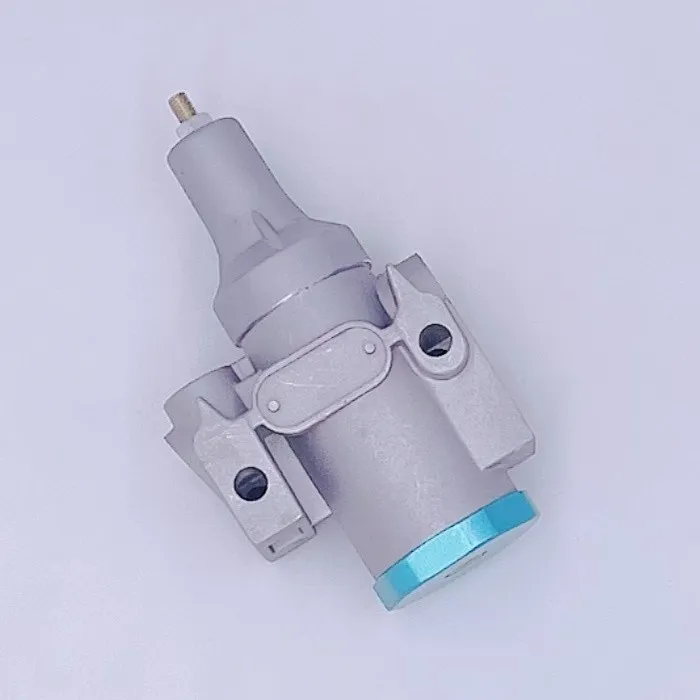

Let's take a real - world scenario. Imagine you're running a chemical processing plant. There are different fluids flowing through a complex network of pipes. The A4740 Pressure Limiting Valve is installed at key points in the system to control pressure. The temperature of the chemicals can vary depending on the processing stage. If a chemical reaction generates heat, the temperature of the fluid will rise, causing an increase in pressure. The A4740 valve will sense this pressure increase and open to release some of the fluid, maintaining the pressure within the safe range. At the same time, it needs to handle the flow of the chemical fluid. If the flow rate is too high, the valve has to be able to adjust accordingly to prevent any disruptions in the process.
Now, you might be wondering how the A4740 compares to other pressure - limiting valves. Well, we also offer the 4750103000 Pressure Limiting Valve and the 4341001240 Pressure Limiting Valve. Each valve has its own unique features and specifications. The A4740 is known for its reliability and versatility. It can be used in a wide variety of applications, from industrial processes to commercial heating and cooling systems.
If you're in the market for a pressure - limiting valve, the A4740 Pressure Limiting Valve is definitely worth considering. It offers a great balance between pressure control, temperature tolerance, and flow handling. Whether you're dealing with high - pressure steam, hot water, or chemical fluids, the A4740 can provide the protection and performance you need.
If you have any questions about the A4740 Pressure Limiting Valve or if you're interested in a purchase, don't hesitate to reach out. We're here to help you find the right solution for your specific needs. Let's start a conversation and see how we can work together to keep your systems running smoothly.
References:
- Engineering textbooks on fluid mechanics and valve technology
- Manufacturer's documentation for the A4740 Pressure Limiting Valve
