

What is the maximum pressure a pressure limiting valve can handle?
As a seasoned supplier of pressure limiting valves, I often encounter inquiries from customers regarding the maximum pressure these valves can handle. This is a critical question, as the performance and safety of various systems rely heavily on the proper functioning of pressure limiting valves under specific pressure conditions. In this blog post, I will delve into the factors that determine the maximum pressure capacity of pressure limiting valves, explore different types of valves and their pressure ratings, and provide insights into how to select the right valve for your application.
Factors Affecting the Maximum Pressure Capacity
The maximum pressure a pressure limiting valve can handle is influenced by several key factors, including the valve's design, materials of construction, and the intended application. Let's take a closer look at each of these factors:
- Valve Design: The design of a pressure limiting valve plays a crucial role in determining its maximum pressure capacity. Different valve designs, such as direct-acting, pilot-operated, and spring-loaded valves, have varying pressure handling capabilities. For example, pilot-operated valves are typically capable of handling higher pressures compared to direct-acting valves due to their more complex design and the use of a pilot mechanism to control the main valve.
- Materials of Construction: The materials used in the construction of a pressure limiting valve also impact its maximum pressure capacity. Valves made from high-strength materials, such as stainless steel, carbon steel, and alloy steel, are generally able to withstand higher pressures compared to valves made from softer materials, such as brass or plastic. Additionally, the quality of the materials and the manufacturing process can also affect the valve's performance and durability under high-pressure conditions.
- Intended Application: The intended application of a pressure limiting valve is another important factor to consider when determining its maximum pressure capacity. Different applications, such as industrial processes, hydraulic systems, and gas pipelines, have different pressure requirements. For example, a pressure limiting valve used in a high-pressure hydraulic system may need to handle pressures of several thousand pounds per square inch (psi), while a valve used in a low-pressure gas pipeline may only need to handle pressures of a few psi.
Types of Pressure Limiting Valves and Their Pressure Ratings
There are several types of pressure limiting valves available on the market, each with its own unique design and pressure handling capabilities. Here are some of the most common types of pressure limiting valves and their typical pressure ratings:
- Direct-Acting Pressure Limiting Valves: Direct-acting pressure limiting valves are the simplest type of pressure limiting valves. They consist of a valve seat, a valve disc, and a spring. When the pressure in the system exceeds the set pressure of the valve, the spring compresses, allowing the valve disc to lift off the valve seat and relieve the excess pressure. Direct-acting pressure limiting valves are typically used in low to medium-pressure applications, with pressure ratings ranging from a few psi to several hundred psi.
- Pilot-Operated Pressure Limiting Valves: Pilot-operated pressure limiting valves are more complex than direct-acting valves. They consist of a main valve and a pilot valve. The pilot valve senses the pressure in the system and controls the opening and closing of the main valve. Pilot-operated pressure limiting valves are capable of handling higher pressures compared to direct-acting valves, with pressure ratings ranging from several hundred psi to several thousand psi.
- Spring-Loaded Pressure Limiting Valves: Spring-loaded pressure limiting valves are similar to direct-acting valves, but they use a spring to control the opening and closing of the valve. Spring-loaded pressure limiting valves are typically used in medium to high-pressure applications, with pressure ratings ranging from several hundred psi to several thousand psi.
Selecting the Right Pressure Limiting Valve for Your Application
Selecting the right pressure limiting valve for your application is crucial to ensure the safety and performance of your system. Here are some key factors to consider when selecting a pressure limiting valve:
- Maximum Pressure Requirement: The first step in selecting a pressure limiting valve is to determine the maximum pressure requirement of your system. This will help you narrow down your options and select a valve with a pressure rating that is suitable for your application.
- Flow Rate: The flow rate of your system is another important factor to consider when selecting a pressure limiting valve. The valve should be able to handle the maximum flow rate of your system without causing excessive pressure drops.
- Valve Size: The size of the pressure limiting valve is also an important consideration. The valve should be sized appropriately to ensure that it can handle the maximum flow rate of your system and that it can be easily installed in your system.
- Material Compatibility: The materials used in the construction of the pressure limiting valve should be compatible with the fluid or gas that will be flowing through the valve. This will help prevent corrosion and ensure the long-term performance and durability of the valve.
Examples of Pressure Limiting Valves and Their Maximum Pressure Ratings
To give you a better idea of the maximum pressure capacity of different types of pressure limiting valves, here are some examples of pressure limiting valves and their typical pressure ratings:
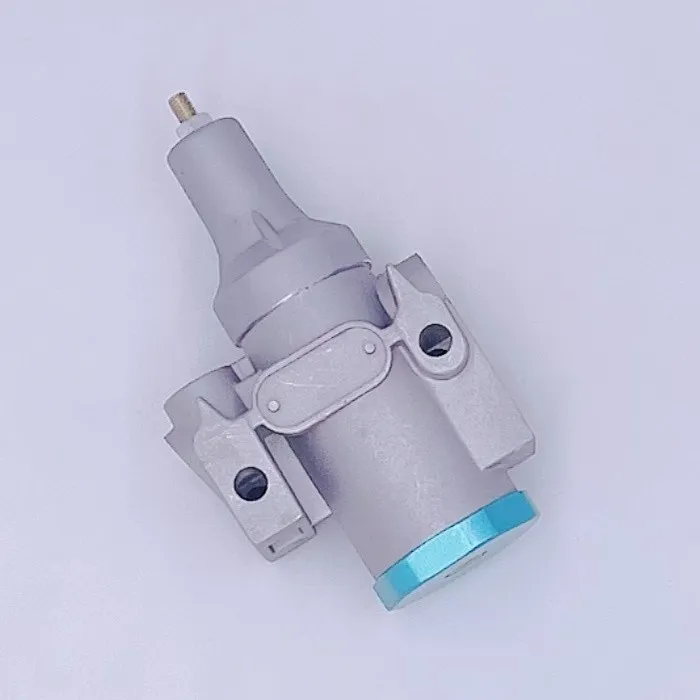
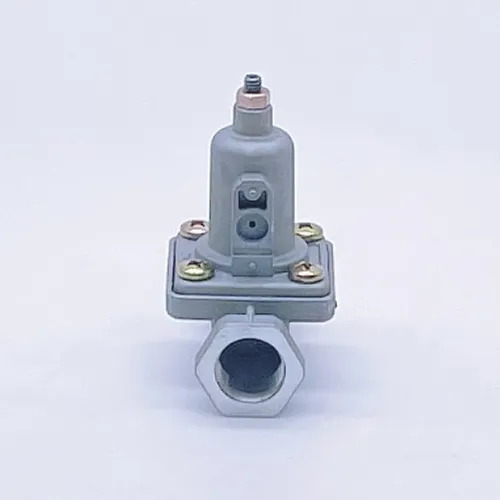
- 4750103000 Pressure Limiting Valve: This direct-acting pressure limiting valve is designed for use in low to medium-pressure applications. It has a maximum pressure rating of 500 psi and is suitable for use with a variety of fluids and gases.
- A4740 Pressure Limiting Valve: This pilot-operated pressure limiting valve is designed for use in high-pressure applications. It has a maximum pressure rating of 5000 psi and is suitable for use with a variety of fluids and gases.
- 4341001240 Pressure Limiting Valve: This spring-loaded pressure limiting valve is designed for use in medium to high-pressure applications. It has a maximum pressure rating of 3000 psi and is suitable for use with a variety of fluids and gases.
Conclusion
In conclusion, the maximum pressure a pressure limiting valve can handle is determined by several factors, including the valve's design, materials of construction, and the intended application. When selecting a pressure limiting valve for your application, it is important to consider the maximum pressure requirement, flow rate, valve size, and material compatibility of your system. By choosing the right pressure limiting valve, you can ensure the safety and performance of your system and prevent costly downtime and repairs.
If you have any questions or need assistance in selecting the right pressure limiting valve for your application, please do not hesitate to contact us. Our team of experts is available to provide you with the information and support you need to make an informed decision. We look forward to the opportunity to work with you and help you find the perfect pressure limiting valve for your needs.
References
- "Pressure Relief Valves: Sizing, Selection, and Installation," ASME Boiler and Pressure Vessel Code, Section VIII, Division 1.
- "Valve Selection Guide," Valve Manufacturers Association of America (VMAA).
- "Hydraulic Systems and Components," Parker Hannifin Corporation.
