

Hey there! As a leveling valve supplier, I've dealt with a ton of issues related to these nifty little devices. Leveling valves are crucial in maintaining the proper height and balance of vehicles, especially those in heavy - duty applications like trucks and buses. But just like any other mechanical component, they can run into problems. So, let's talk about the fault - diagnosis methods for a leveling valve.
Visual Inspection
The first and simplest method is a visual inspection. This is something you can do right off the bat. Start by taking a good look at the valve itself. Check for any obvious signs of damage, like cracks, leaks, or loose connections. Sometimes, a cracked housing can lead to air or fluid leaks, which will mess up the valve's performance.
If you see any signs of corrosion, it could also be a problem. Corrosion can eat away at the internal components of the valve, causing them to stick or not function properly. Also, look at the mounting brackets. Make sure they're secure and not bent or damaged. A loose valve can't do its job effectively.
Pressure Testing
Pressure testing is another important method. You'll need a pressure gauge for this. First, connect the pressure gauge to the inlet of the leveling valve. Then, apply a known pressure to the system. You should see a corresponding change in the output pressure of the valve.
If the output pressure doesn't match what it's supposed to be according to the valve's specifications, there's a problem. It could be a blockage inside the valve, a faulty diaphragm, or a problem with the spring. For example, if the pressure is too low, there might be a leak in the valve or a restriction in the flow path.
Functional Testing
Functional testing involves actually putting the valve through its paces. Install the leveling valve in a test setup that mimics the real - world conditions. For instance, if it's for a vehicle suspension system, you can simulate the movement of the vehicle's axles.
Watch how the valve responds to different inputs. It should open and close at the right times to maintain the correct height of the vehicle. If it doesn't, there could be an issue with the valve's internal mechanism. Maybe the valve is opening too early or too late, or it's not closing fully.
Flow Testing
Flow testing is similar to pressure testing but focuses on the volume of fluid or air passing through the valve. You'll need a flow meter for this. Measure the flow rate at the inlet and outlet of the valve under different operating conditions.
If the flow rate is lower than expected, there could be a blockage in the valve. This could be due to debris or dirt that has gotten inside. On the other hand, if the flow rate is too high, it might mean that the valve isn't closing properly, which could lead to over - leveling or other problems.
Electrical Testing (if applicable)
Some leveling valves are electronically controlled. If that's the case, you'll need to do electrical testing. Check the wiring connections first. Make sure they're clean and tight. A loose or corroded connection can cause intermittent problems.
Use a multimeter to test the voltage and resistance of the electrical components in the valve. For example, if there's a solenoid in the valve, test its resistance. If the resistance is outside the specified range, the solenoid might be faulty.
Common Faults and Their Symptoms
Let's take a look at some common faults and their symptoms. One common problem is a leaking valve. You'll notice this if you see fluid or air around the valve. A leak can lead to a loss of pressure and improper leveling.

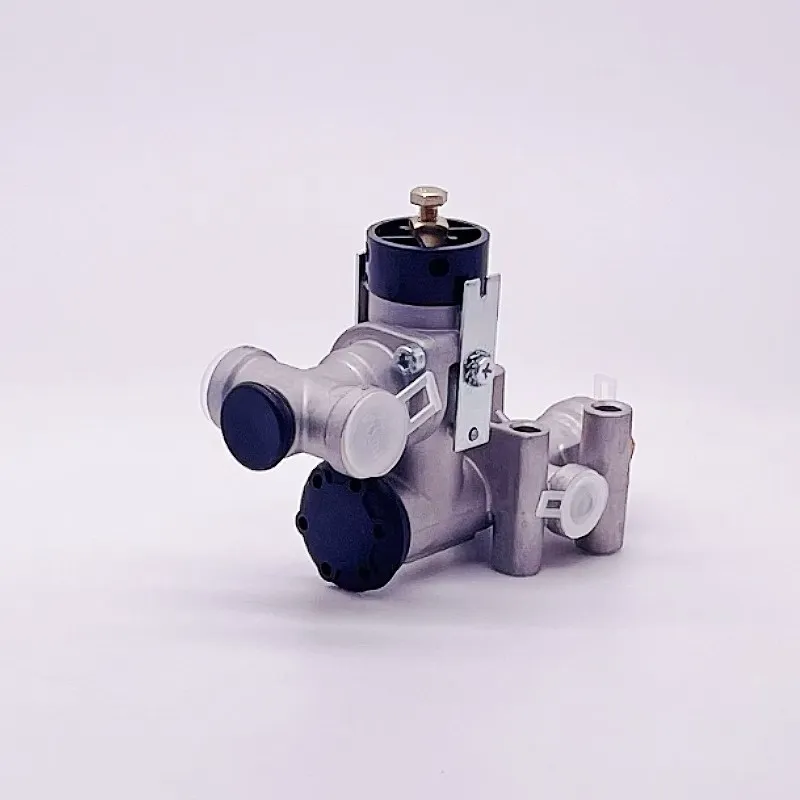
Another fault is a stuck valve. This can cause the vehicle to be at an incorrect height. If the valve is stuck open, the vehicle might be too low, and if it's stuck closed, the vehicle might be too high.
A worn - out diaphragm is also a common issue. The diaphragm is responsible for controlling the flow of fluid or air in the valve. If it's worn, it can't create a proper seal, leading to leaks and inconsistent performance.
Our Product Range
As a leveling valve supplier, we offer a wide range of high - quality leveling valves. Check out our 4640061000 Leveling Valve, 4640060020 Leveling Valve, and SV1295 Leveling Valve. These valves are designed to meet the highest standards and are built to last.
Conclusion
Fault - diagnosing a leveling valve can seem daunting, but by using these methods, you can quickly identify and fix problems. Whether it's a simple visual inspection or a more complex electrical test, each method plays an important role in ensuring the proper functioning of the valve.
If you're in the market for a new leveling valve or need help with diagnosing a problem, don't hesitate to reach out. We're here to assist you with all your leveling valve needs. Let's work together to keep your vehicles running smoothly.
References
- Automotive Suspension Systems Handbook
- Industrial Valve Maintenance and Troubleshooting Guide
