

Hey there! As a supplier of the A4740 Pressure Limiting Valve, I often get asked how to check if this valve is working properly. Well, you're in the right place because I'm gonna break it down for you in this blog post.
First off, let's understand what the A4740 Pressure Limiting Valve does. It's a crucial component in many systems, designed to maintain a set pressure level. When the pressure in a system exceeds the pre - set limit, this valve kicks in and releases the excess pressure to prevent damage to the equipment. You can find more about the A4740 Pressure Limiting Valve on our website.
Visual Inspection
The first step in checking if the A4740 Pressure Limiting Valve is working properly is a visual inspection. Start by looking at the valve itself. Check for any signs of physical damage like cracks, dents, or corrosion. A damaged valve might not function correctly, so it's important to catch these issues early.
Also, take a look at the connections. Make sure all the pipes and fittings are tightly connected to the valve. Loose connections can lead to leaks, which can affect the valve's performance. If you notice any leaks, it's a clear sign that something's not right.
Pressure Testing
One of the most reliable ways to check the valve is through pressure testing. You'll need a pressure gauge for this. Connect the pressure gauge to the system near the valve so you can accurately measure the pressure.
Start by slowly increasing the pressure in the system. Keep an eye on the pressure gauge and the valve. The A4740 Pressure Limiting Valve should start to open and release pressure when the system pressure reaches the pre - set limit. If it doesn't open at the right pressure, there might be a problem with the valve's calibration.
On the other hand, if the valve opens too early or releases pressure when it shouldn't, it could be due to a faulty spring or other internal components. You might need to disassemble the valve and check these parts.
Function Testing
Another way to check the valve is through function testing. This involves simulating different operating conditions to see how the valve responds. For example, you can vary the flow rate in the system and observe how the valve behaves.
The valve should be able to maintain a stable pressure even when the flow rate changes. If the pressure fluctuates wildly, it could mean the valve is not regulating the pressure effectively.
Comparing with Similar Valves
If you have other pressure limiting valves in your system, like the 4750103000 Pressure Limiting Valve or the 4341001240 Pressure Limiting Valve, you can compare the performance of the A4740 with them.
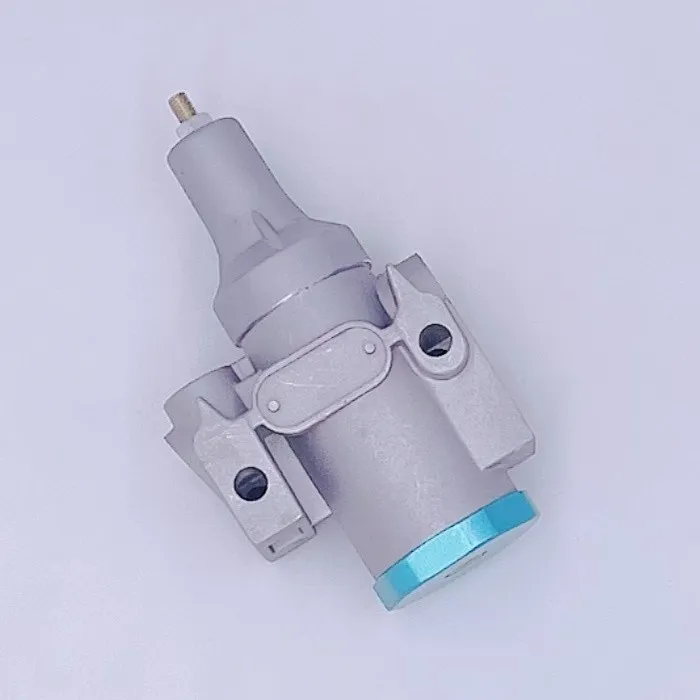

If the other valves are working fine and the A4740 is showing different behavior, it's a good indication that there's an issue with the A4740. This comparison can help you quickly identify if the problem is specific to the A4740 or if it's a system - wide issue.
Listening for Abnormal Noises
Sometimes, you can tell if a valve is not working properly just by listening. When the A4740 is operating correctly, it should make a relatively quiet and consistent sound. If you hear any loud or unusual noises like hissing, rattling, or banging, it could be a sign of a problem.
A hissing noise might indicate a leak, while a rattling or banging noise could mean there are loose parts inside the valve. In such cases, it's best to shut down the system and inspect the valve further.
Regular Maintenance
Regular maintenance is key to ensuring the A4740 Pressure Limiting Valve works properly. Make sure to clean the valve regularly to prevent the buildup of dirt, debris, or other contaminants. These can clog the valve and affect its performance.
Also, lubricate the moving parts as recommended by the manufacturer. This helps to keep the valve operating smoothly and reduces wear and tear.
Troubleshooting
If you've gone through all these checks and still think the A4740 Pressure Limiting Valve is not working properly, here are some common troubleshooting steps.
First, check the valve's settings. Make sure the pre - set pressure limit is correct. Sometimes, the settings can get accidentally changed, which can cause the valve to malfunction.
If the valve is still not opening or closing at the right pressure, you might need to replace the spring. The spring is a critical component that determines the opening and closing pressure of the valve. Over time, the spring can lose its elasticity, which can affect the valve's performance.
If you're not comfortable doing these repairs yourself, it's always a good idea to consult a professional. They have the expertise and tools to diagnose and fix the problem.
Conclusion
Checking if the A4740 Pressure Limiting Valve is working properly is not that complicated if you follow these steps. By doing regular visual inspections, pressure testing, function testing, and taking other preventive measures, you can ensure that your valve is in top - notch condition.
If you're in the market for a reliable A4740 Pressure Limiting Valve or need more information about our products, don't hesitate to reach out. We're always here to help you with your procurement needs and answer any questions you might have.
References
- Manufacturer's manual for A4740 Pressure Limiting Valve
- Industry standards for pressure limiting valve testing and maintenance
