

Hey there! As a pressure limiting valve supplier, I've seen firsthand how these valves play a crucial role in a wide range of industrial applications. Today, I'm gonna break down how a pilot - operated pressure limiting valve operates, so you can have a better understanding of this important piece of equipment.
The Basics of Pressure Limiting Valves
Before we dive into the pilot - operated type, let's quickly go over what a pressure limiting valve is all about. In simple terms, a pressure limiting valve is designed to control the pressure in a system. It ensures that the pressure doesn't go above a certain set level, which is super important for the safety and proper functioning of the equipment and the overall system.
There are different types of pressure limiting valves, but the pilot - operated ones are pretty special. They're often used in situations where you need precise pressure control, especially in high - pressure systems.
How a Pilot - Operated Pressure Limiting Valve Works
The Main Components
A pilot - operated pressure limiting valve has two main parts: the main valve and the pilot valve. The main valve is the big guy that actually controls the flow of fluid (like water, oil, or gas) in the system. The pilot valve, on the other hand, is like the brains of the operation. It senses the pressure in the system and tells the main valve what to do.
The Pressure Sensing Process
The pilot valve is connected to the system's pressure line. It constantly monitors the pressure. When the pressure in the system starts to rise, the pilot valve senses this change. It's like a little detective that's always on the lookout for any pressure spikes.

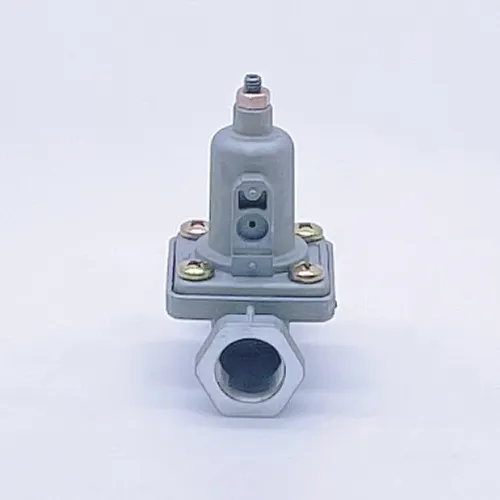
Let's say you have a hydraulic system. As the hydraulic pump starts to build up pressure, the pilot valve immediately picks up on this increase. It's designed to have a pre - set pressure limit. Once the system pressure reaches this limit, the pilot valve springs into action.
The Control Mechanism
When the pilot valve senses that the system pressure has hit the set limit, it sends a signal to the main valve. This signal is usually in the form of a change in pressure or a flow of fluid. The main valve then responds to this signal.
In most cases, the main valve starts to open. As it opens, it allows some of the fluid to bypass the main system and flow to a low - pressure area, like a return line or a reservoir. This reduces the pressure in the main system. It's like letting off some steam when a pot is about to boil over.
Once the pressure in the system drops below the set limit, the pilot valve senses this change again. It then sends another signal to the main valve to close. This stops the bypass flow and allows the system to continue operating normally.
Advantages of Pilot - Operated Pressure Limiting Valves
One of the biggest advantages of these valves is their precision. They can control pressure very accurately, which is essential in many industrial processes. For example, in a chemical manufacturing plant, precise pressure control is necessary to ensure the quality and safety of the products.
Another advantage is their ability to handle high - pressure systems. Pilot - operated valves can work effectively in systems with extremely high pressures, where other types of valves might fail.
They also offer good stability. Once they're set up correctly, they can maintain a consistent pressure over a long period of time, reducing the risk of pressure fluctuations that could damage the equipment.
Our Product Range
At our company, we offer a wide range of pilot - operated pressure limiting valves. For instance, the 4750103000 Pressure Limiting Valve is a popular choice for many industrial applications. It's known for its reliability and high - performance.
The 4341001240 Pressure Limiting Valve is another great option. It's designed to be easy to install and maintain, making it a favorite among our customers.
And if you're looking for a valve with advanced features, the A4740 Pressure Limiting Valve is worth considering. It offers enhanced pressure control and durability.
Applications of Pilot - Operated Pressure Limiting Valves
These valves are used in a variety of industries. In the oil and gas industry, they're used in pipelines to control the pressure of the flowing oil or gas. This helps prevent leaks and other safety hazards.
In the power generation industry, pilot - operated pressure limiting valves are used in steam turbines and boilers. They ensure that the pressure in these systems stays within safe limits, protecting the equipment and the workers.
In the automotive industry, they're used in hydraulic systems, such as those in brakes and power steering. Precise pressure control is crucial for the proper functioning of these systems.
Maintenance and Troubleshooting
To keep your pilot - operated pressure limiting valve working properly, regular maintenance is essential. This includes checking for leaks, inspecting the valve components for wear and tear, and ensuring that the pilot valve is calibrated correctly.
If you encounter any problems with the valve, such as a pressure that won't stay within the set limit or a valve that won't open or close properly, there are a few things you can do. First, check the pilot valve to make sure it's functioning correctly. Sometimes, a clogged or damaged pilot valve can cause issues.
You should also check the main valve for any blockages or mechanical problems. If you're not sure how to troubleshoot the valve, it's always a good idea to consult a professional.
Contact Us for Your Pressure Limiting Valve Needs
If you're in the market for a high - quality pilot - operated pressure limiting valve, we'd love to hear from you. Whether you're a small business or a large industrial corporation, we have the right valve for your needs. Our team of experts can help you choose the best valve for your specific application and provide you with all the support you need.
Don't hesitate to reach out if you have any questions or if you'd like to discuss a potential purchase. We're here to make sure you get the most out of your pressure limiting valve.
References
- "Industrial Valves Handbook" - A comprehensive guide on different types of industrial valves, including pressure limiting valves.
- "Hydraulic Systems and Components" - This book provides in - depth information on the operation and maintenance of hydraulic systems, where pilot - operated pressure limiting valves are commonly used.
- Industry research papers on pressure control technology, which offer the latest advancements and best practices in the field.


