

As a trusted supplier of the A4740 Pressure Limiting Valve, I often receive inquiries from customers about the valve's adjustability. The question "Can the A4740 Pressure Limiting Valve be adjusted manually?" is one that comes up frequently. In this blog post, I will delve into this topic in detail, providing you with comprehensive information based on our extensive knowledge and experience in the field.
Understanding the A4740 Pressure Limiting Valve
Before we discuss its adjustability, let's first understand what the A4740 Pressure Limiting Valve is. The A4740 Pressure Limiting Valve is a crucial component in many industrial systems. It is designed to maintain a specific pressure level within a system by limiting the maximum pressure that can be exerted. This helps protect the system from over - pressurization, which can lead to equipment damage, leaks, and even safety hazards.
The valve operates based on a set of mechanical and hydraulic principles. When the pressure in the system reaches the pre - set limit, the valve opens to release the excess pressure, ensuring that the pressure remains within a safe and acceptable range.
Manual Adjustment of the A4740 Pressure Limiting Valve
The short answer to the question of whether the A4740 Pressure Limiting Valve can be adjusted manually is yes, in most cases. However, there are several important factors to consider.
How Manual Adjustment Works
Manual adjustment of the A4740 Pressure Limiting Valve typically involves turning an adjustment screw or knob on the valve body. This screw or knob is connected to a spring mechanism inside the valve. By turning the screw clockwise, you increase the tension on the spring, which in turn raises the pressure at which the valve will open. Conversely, turning the screw counter - clockwise reduces the spring tension and lowers the opening pressure.
It is important to note that the adjustment range is usually limited. The valve has a maximum and minimum pressure setting, and you should not attempt to adjust it beyond these limits. Exceeding the limits can cause the valve to malfunction or even fail, leading to potential safety issues.
Tools Required for Manual Adjustment
To perform a manual adjustment, you will typically need a simple tool such as a screwdriver or a wrench, depending on the design of the adjustment mechanism. Make sure to use the correct size and type of tool to avoid damaging the valve.
Precautions During Manual Adjustment
- System Isolation: Before making any adjustments, it is crucial to isolate the valve from the system. This means shutting off the flow of fluid or gas to the valve and relieving any pressure in the system. Failure to do so can result in sudden pressure releases, which can be dangerous.
- Gradual Adjustment: Make adjustments in small increments. After each adjustment, allow the system to stabilize and check the pressure. This will help you accurately set the desired pressure and avoid over - adjusting.
- Monitoring: Use a pressure gauge to monitor the pressure in the system during and after the adjustment. This will ensure that the valve is set to the correct pressure and that the system is operating safely.
Comparison with Other Pressure Limiting Valves
To better understand the manual adjustability of the A4740 Pressure Limiting Valve, let's compare it with other valves in our product line, such as the 4750103000 Pressure Limiting Valve and the 4341001240 Pressure Limiting Valve.
The 4750103000 Pressure Limiting Valve also offers manual adjustment capabilities. However, its adjustment mechanism may be slightly different. It uses a more complex cam - based system for adjustment, which provides a more precise and stable pressure setting. This valve is often used in applications where very accurate pressure control is required.
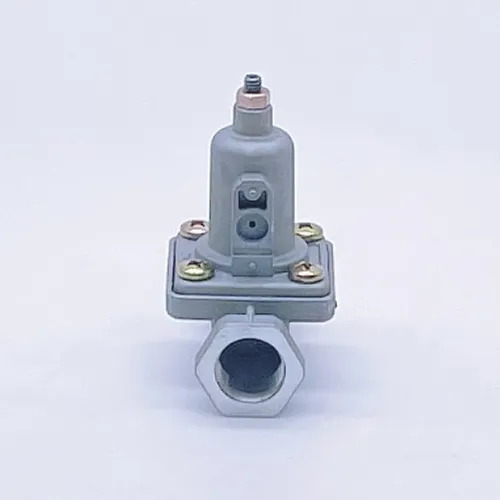

The 4341001240 Pressure Limiting Valve, on the other hand, has a simpler adjustment mechanism similar to the A4740. It is designed for more general - purpose applications where a basic level of pressure adjustment is sufficient.
When Manual Adjustment May Not Be Appropriate
While manual adjustment is a useful feature, there are situations where it may not be the best option.
High - Precision Applications
In applications where extremely high precision is required, such as in some medical or aerospace systems, manual adjustment may not be accurate enough. In these cases, electronic or automated pressure control systems may be more suitable. These systems can provide more precise and consistent pressure control, and they can also be integrated with other control systems for more advanced functionality.
Remote or Hazardous Locations
If the valve is located in a remote or hazardous location, manual adjustment may be difficult or dangerous. In such cases, valves with remote adjustment capabilities or automated control systems can be used. These systems allow you to adjust the pressure settings from a safe distance, reducing the risk to personnel.
Benefits of Manual Adjustment
Despite the limitations, manual adjustment of the A4740 Pressure Limiting Valve offers several benefits.
- Cost - Effective: Manual adjustment is a cost - effective solution, especially for small - scale or less critical applications. It does not require expensive electronic components or complex control systems.
- Simplicity: The adjustment process is relatively simple and can be performed by maintenance personnel with basic training. This makes it easy to make on - the - spot adjustments when needed.
- Flexibility: Manual adjustment allows you to quickly change the pressure setting to accommodate different operating conditions or system requirements.
Conclusion
In conclusion, the A4740 Pressure Limiting Valve can be adjusted manually in most cases. However, it is important to follow the proper procedures and take the necessary precautions to ensure safe and accurate adjustment. By understanding the valve's operation, the adjustment process, and its limitations, you can effectively use this feature to maintain the optimal performance of your system.
If you are considering purchasing the A4740 Pressure Limiting Valve or have any questions about its manual adjustability or other features, we are here to help. Our team of experts can provide you with detailed information and guidance to ensure that you select the right valve for your application. Contact us to start a discussion about your procurement needs, and let us work together to find the best pressure control solution for your system.
References
- Industrial Valve Handbook: A comprehensive guide to the design, operation, and maintenance of industrial valves.
- Pressure Control Systems: Principles and Applications, a technical publication on pressure control in various industries.
