

Are there any compatibility issues when using a pressure limiting valve with different fluids?
As a trusted supplier of pressure limiting valves, I often encounter inquiries from customers regarding the compatibility of our valves with various fluids. This is a crucial topic, as the wrong combination can lead to performance issues, damage to the valve, or even pose safety risks. In this blog, I will delve into the potential compatibility issues when using pressure limiting valves with different fluids and provide insights to help you make informed decisions.
Understanding Pressure Limiting Valves
Before discussing compatibility, it's essential to understand what pressure limiting valves do. These valves are designed to maintain a specific pressure level in a system by releasing excess pressure when it exceeds the set limit. They are widely used in various industries, including oil and gas, chemical processing, water treatment, and power generation, to protect equipment and ensure safe operation.
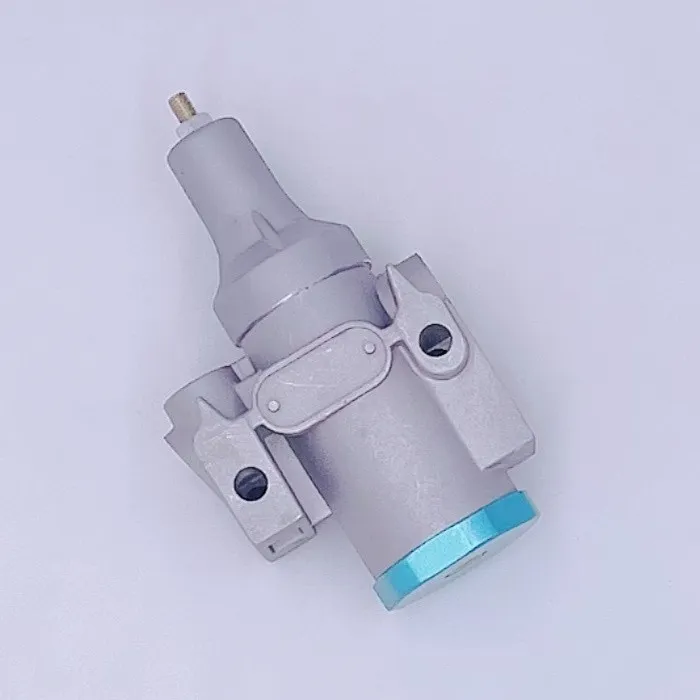
Our company offers a range of high - quality pressure limiting valves, such as the A4740 Pressure Limiting Valve, 4750103000 Pressure Limiting Valve, and 4341001240 Pressure Limiting Valve, each with unique features and specifications to meet different application requirements.
Factors Affecting Compatibility
Several factors come into play when considering the compatibility of a pressure limiting valve with a particular fluid.
Chemical Composition
The chemical nature of the fluid is one of the most critical factors. Corrosive fluids, such as acids and alkalis, can attack the valve materials, leading to degradation and failure. For example, hydrochloric acid can corrode carbon steel valves, while strong alkalis may react with aluminum components. In such cases, valves made from corrosion - resistant materials like stainless steel, Hastelloy, or ceramic should be used.
Some fluids may also contain abrasive particles. These particles can cause erosion of the valve seats and internal components, reducing the valve's lifespan and performance. For applications involving abrasive fluids, valves with hardened surfaces or special coatings may be required.
Viscosity
Viscosity refers to a fluid's resistance to flow. High - viscosity fluids, such as heavy oils or syrups, can cause problems for pressure limiting valves. These fluids may not flow smoothly through the valve, leading to inaccurate pressure regulation and potential blockages. Valves designed for high - viscosity fluids typically have larger orifices and flow paths to accommodate the thicker fluid.
On the other hand, low - viscosity fluids, like solvents or gases, may require valves with precise control mechanisms to ensure accurate pressure regulation.
Temperature
The temperature of the fluid can significantly impact valve compatibility. Extreme temperatures can affect the physical properties of the valve materials. At high temperatures, some materials may lose their strength or become more prone to corrosion. For example, elastomeric seals may harden and lose their sealing properties at elevated temperatures.
Conversely, low temperatures can make some materials brittle, increasing the risk of cracking. Valves used in high - or low - temperature applications must be made from materials that can withstand the specific temperature range.
Compatibility with Different Types of Fluids
Water
Water is one of the most commonly used fluids in industrial applications. In general, standard pressure limiting valves made from materials like brass or stainless steel are compatible with clean water. However, if the water contains impurities such as sediment, minerals, or chemicals, it may cause corrosion or scaling inside the valve. In such cases, regular maintenance and the use of valves with anti - corrosion coatings may be necessary.

Oil
Oil comes in various types, including mineral oil, synthetic oil, and vegetable oil. Mineral oils are generally compatible with most metal valves. However, synthetic oils may have different chemical properties and may require valves made from materials that are specifically resistant to their corrosion and swelling effects. Vegetable oils can be more prone to oxidation and microbial growth, which may affect valve performance.
Gas
Gases, such as air, nitrogen, and natural gas, are also widely used in industrial processes. When using pressure limiting valves with gases, factors such as gas purity, pressure, and temperature need to be considered. For example, high - pressure gases may require valves with stronger materials and better sealing mechanisms. Additionally, some gases may be flammable or toxic, so valves used in these applications must meet strict safety standards.
Testing and Selection
To ensure the compatibility of a pressure limiting valve with a specific fluid, it is recommended to conduct compatibility testing. This can involve exposing the valve materials to the fluid under controlled conditions and monitoring for any signs of corrosion, erosion, or other forms of degradation.
When selecting a pressure limiting valve for a particular application, it is important to provide detailed information about the fluid, including its chemical composition, viscosity, temperature, and pressure. Our technical team can assist you in choosing the most suitable valve based on these parameters.
Conclusion
In conclusion, there can be significant compatibility issues when using a pressure limiting valve with different fluids. These issues can be mitigated by understanding the factors that affect compatibility, such as chemical composition, viscosity, and temperature, and by selecting the appropriate valve materials and design.
As a leading pressure limiting valve supplier, we are committed to providing high - quality products and professional technical support. If you have any questions about the compatibility of our valves with your specific fluids or need assistance in selecting the right valve for your application, please do not hesitate to contact us. We look forward to discussing your requirements and helping you find the best solution for your pressure control needs.
References
- Perry, R. H., & Green, D. W. (Eds.). (2008). Perry's Chemical Engineers' Handbook. McGraw - Hill.
- Crane Co. (1988). Flow of Fluids Through Valves, Fittings, and Pipe. Technical Paper No. 410.


